
Caring for Your Winter Dry Hands
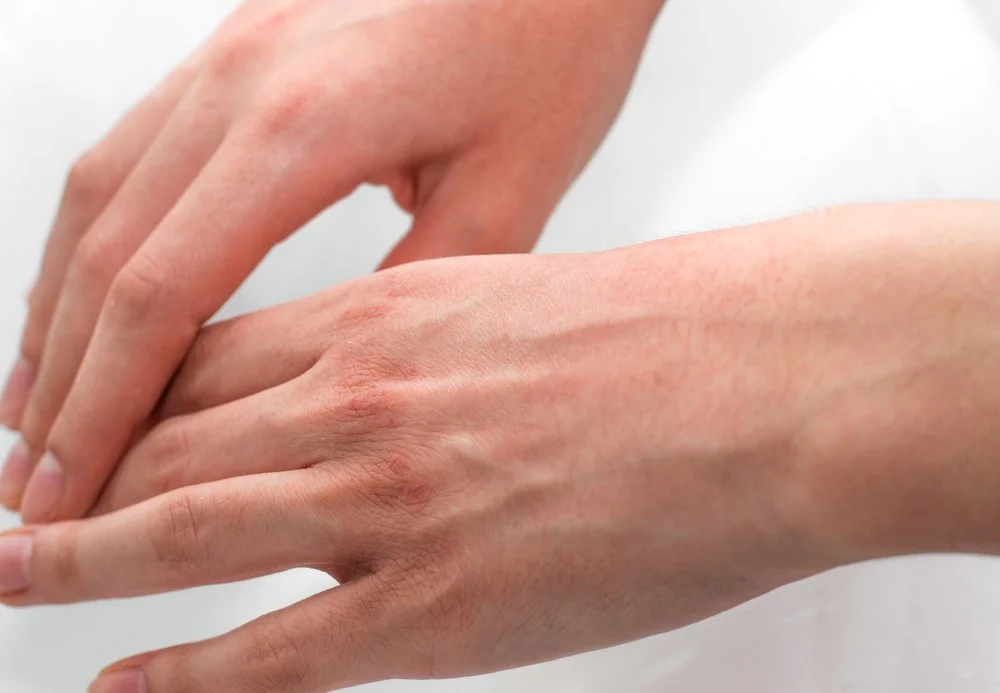
Frequent hand washing and sanitizer use are essential for preventing the spread of disease and infection, especially during the winter when infections such as influenza, COVID, strep, norovirus, and many others abound. As we practice frequent hand washing and sanitizing, many of us may also experience dry, raw, and chapped hands.
There are several steps you can take to provide relief for your rough, dry, irritated hands during this time of conscientious hand-cleaning.
Moisturizing 101
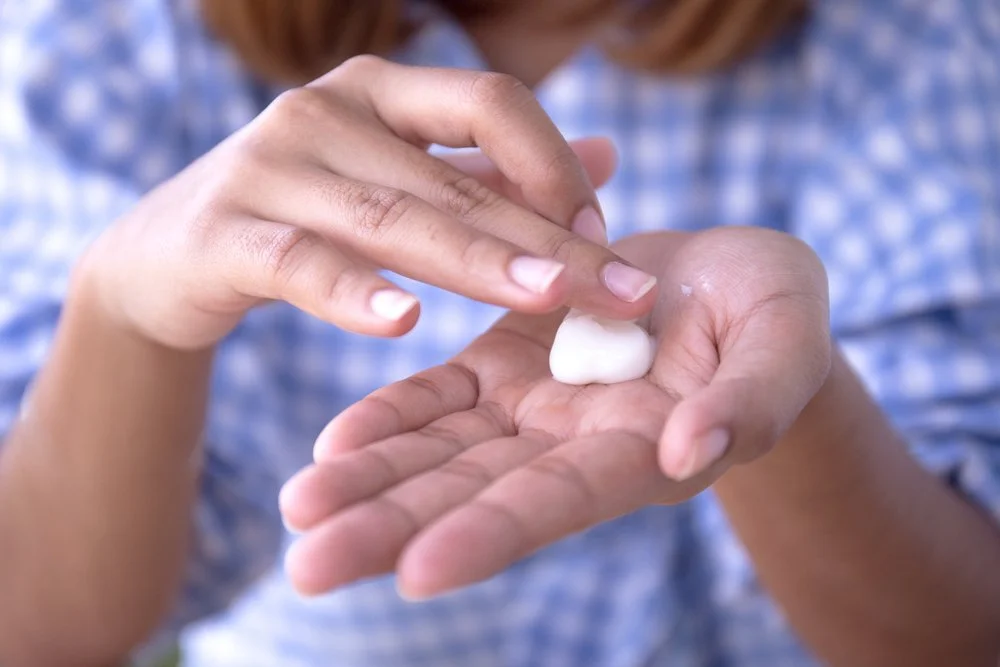
The best prevention for dry hands is to keep them moisturized. It’s best to moisturize partially damp hands post-washing to prevent the damage done by air drying. Moisturizing post-washing can trap residual water and seal it into the skin, which can help you avoid the ashy, dry, tight appearance of over-irritated and dehydrated skin.
Hand sanitizer, though it may be necessary when soap and water aren’t available, is a more irritating option.
What are the Best Moisturizers?
Look for fragrance-free products with ingredients like petroleum jelly, dimethicone, or ceramides. These ingredients lock moisture into the skin, alleviate dryness, and recreate a healthy skin barrier. Creams and ointments can be helpful for excessive chaffing and dryness, and often prove to be less irritating on sensitive skin.
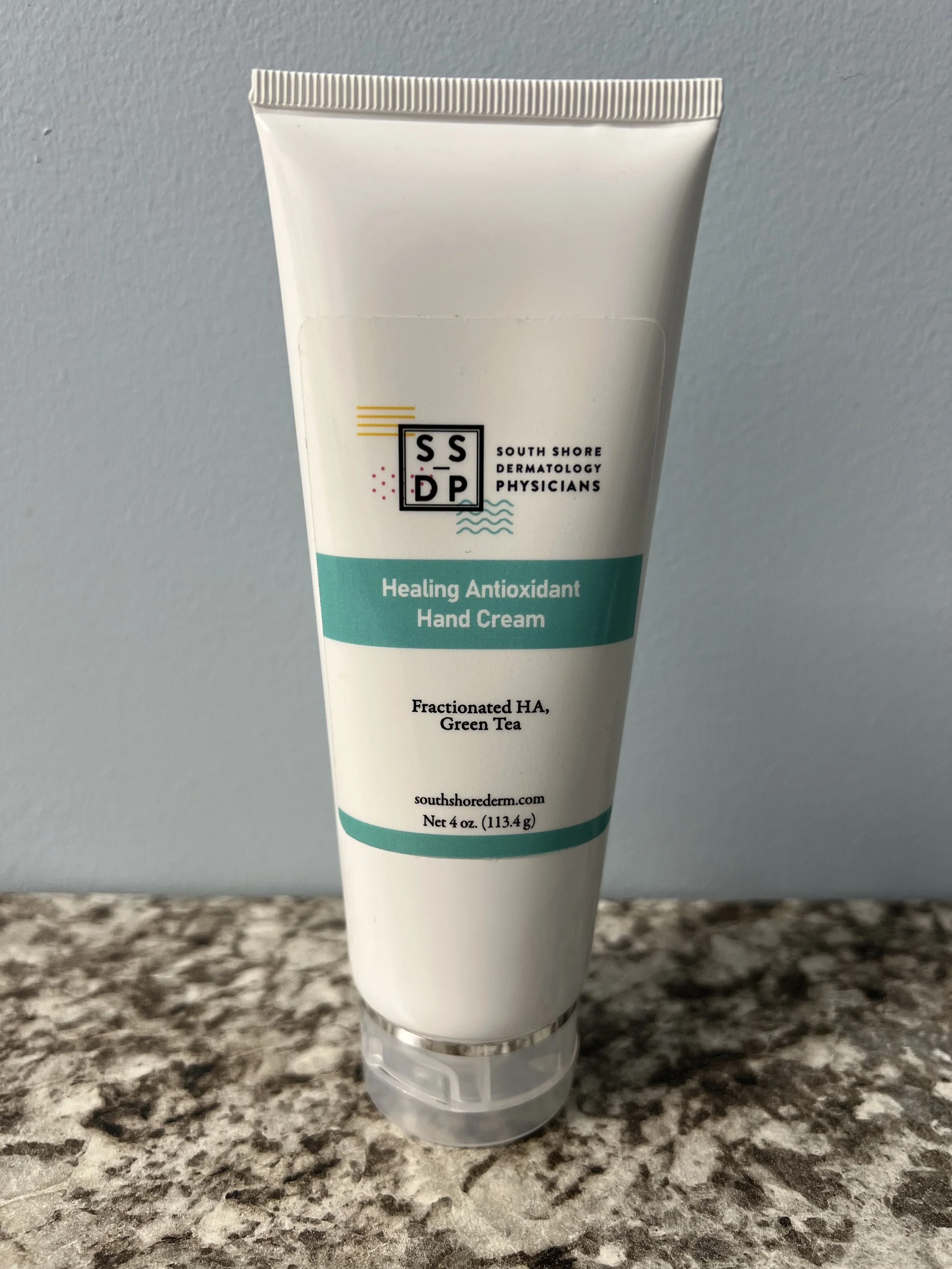
For specific products, a couple of top picks include Neutrogena Norwegian Formula® Hand Cream and our SSDP Healing Antioxidant Hand Cream, available at our office.
Sensitive Skin Tips
If you have sensitive or eczema-prone skin, it’s best to use fragrance-free, thicker creams and ointments.
This technique, known fondly as “soak and smear,” has saved many hands from further irritation, pain, itch, and skin breakdown:
Soak hands in lukewarm water for five minutes
Apply pure petroleum jelly or Aquaphor healing ointment liberally directly to your damp skin
Wear cotton gloves to lock in the moisture!
Keep Your Hands Healthy
It is vital to repair your hands, since over-dry, cracked, sore hands are more susceptible to contamination and infection and can lead to hand dermatitis.
If your hands become red, raw, itchy, and painful, your board-certified dermatologist can help with treatment options.
Any questions? Consult one of our board-certified dermatologists. Please contact SSDP to schedule an appointment with any of our physicians.